
Can You Be Allergic To Honey?
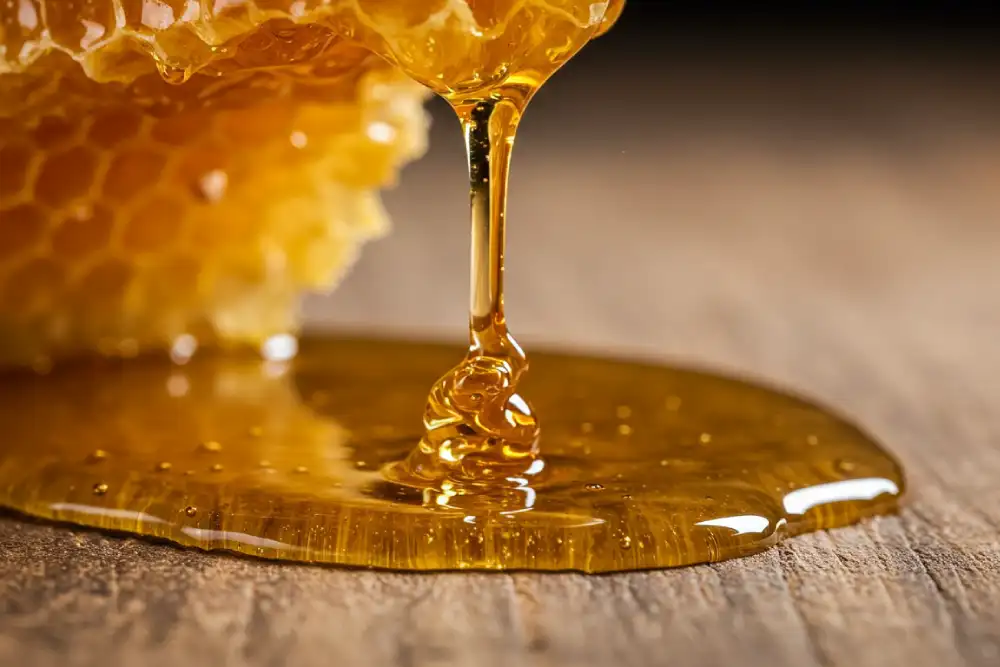
Yes, you can be allergic to honey, though a true honey allergy is uncommon. Most reactions are triggered not by the honey itself but by traces of pollen, bee proteins, propolis, or royal jelly inside it. Symptoms range from mild mouth itching and hives to, in rare cases, life-threatening anaphylaxis. If you react to honey, see a board-certified allergist for testing before you cut foods out on your own.
What Is a Honey Allergy?
A honey allergy is an uncommon but real allergic response to components found in honey. While pure honey is made by bees using flower nectar, it can contain traces of pollen, bee proteins, propolis, or royal jelly, all of which can trigger an allergic reaction to honey in sensitive individuals.
It’s important to note: honey itself isn’t always an allergen. Instead, it’s what’s in the honey that your immune system may see as a threat.
Can You Be Allergic to Honey?
Yes. Although honey allergy is one of the less common food allergies we evaluate, people can and do react to it. So when patients ask “can someone be allergic to honey?” or “can people be allergic to honey?”, the honest answer is yes, but the reason matters.
In most cases, the immune system is reacting to the pollen and bee-derived proteins carried in the honey rather than to the sugars in the honey. This is why the same person can tolerate one jar and react to another: the pollen and protein content changes depending on the flowers the bees visited and how the honey was processed. A smaller number of people react to compounds in the nectar itself.
So while not many people are allergic to honey overall, it is a genuine allergy worth taking seriously, especially if you already have pollen allergies, asthma, or other food allergies.
Honey Allergy Symptomsaaaaaa
Like other food allergies, honey allergy symptoms are different in everyone. They typically appear within minutes to a couple of hours after eating honey or after skin contact.
Mild to Moderate Honey Allergy Symptoms
Mild honey allergy symptoms are the most common and often show up first:
✔ Itching or tingling in the mouth, lips, and throat
✔ Skin rashes, hives, or eczema flare-ups
✔ Sneezing, nasal congestion, or watery eyes
✔ Digestive discomfort, such as nausea or cramps
Severe Symptoms
A severe honey allergic reaction is a medical emergency. Call 911 if you notice:
✔ Swelling of the lips, face, tongue, or throat
✔ Difficulty breathing or wheezing
✔ Rapid heartbeat or dizziness
✔ Anaphylaxis, a potentially life-threatening allergic reaction requiring emergency treatment
If you’ve experienced any of these symptoms after consuming honey, it’s critical to seek medical attention and avoid self-diagnosis.
What Does a Honey Allergy Rash Look Like?
A honey allergy rash usually appears as raised, red, itchy welts (hives) that can show up anywhere on the body, or as patches of dry, inflamed, eczema-like skin. Some people also notice redness, swelling, or itching around the mouth soon after eating honey. A rash can appear on its own or alongside other symptoms like sneezing or an itchy mouth.
Because a honey rash can look almost identical to hives from other triggers, photos alone are not enough to confirm the cause. If you are searching for “honey allergy rash pictures” to self-diagnose, the safest next step is to have the reaction assessed by an allergist, who can confirm whether honey is the trigger with proper allergy testing.
Can Honey Irritate Your Throat?
Yes, honey can irritate your throat, and there are two very different reasons for it. The first is a mild allergic response, sometimes called oral allergy syndrome, where the pollen in honey cross-reacts with a pollen allergy and causes itching or tingling in the mouth and throat. The second is simple irritation or a reaction to honey’s texture and acidity, which is not an allergy at all.
The key difference is severity. Mild throat itching or scratchiness that settles quickly is usually harmless. But any throat tightness, difficulty swallowing, or swelling after honey is a warning sign of a serious reaction and needs emergency care straight away.
How Long Does a Honey Allergy Last?
A honey allergic reaction and the allergy itself are two different things.
A single reaction is usually short-lived. Mild symptoms such as an itchy mouth, hives, or a runny nose often begin within minutes to two hours of eating honey and settle within a few hours. Skin symptoms like hives or a rash can sometimes linger for 24 to 48 hours. With an antihistamine, most mild reactions clear faster. Anaphylaxis, on the other hand, comes on fast and needs immediate epinephrine, not time.
The underlying allergy is a longer story. Once your immune system is sensitised to honey, that sensitivity can last for years and may be lifelong. Some food allergies are outgrown, but this can only be confirmed safely through a supervised food challenge with an allergist, never by testing at home. If your reactions are getting stronger or more frequent, that is a clear sign to get evaluated.
Why Do Some People React to Honey?
Pollen Contamination
Honey contains tiny particles of pollen from the flowers bees visit. People with pollen allergies, especially to ragweed or wildflowers, may react when they eat raw or unfiltered honey.
Bee-Related Proteins
Traces of bee venom proteins, propolis, or royal jelly (a secretion used to feed queen bees) can sometimes be found in honey. These can act as allergens in individuals sensitive to bee products.
Cross-Reactivity
If you have allergies to other plants or insects, your immune system might also react to proteins found in honey. This is called cross-reactivity and is more common in people with multiple environmental allergies.0
Can You Be Allergic to Raw Honey but Not Regular Honey?
Yes, this is one of the more common patterns we see. Raw, unfiltered honey holds far more pollen, propolis, and bee proteins than commercial honey, which is usually filtered and heat-treated. Because those particles are the main triggers, some people react to raw honey but tolerate processed or pasteurised honey with a lower allergen load.
This is not a guarantee of safety, though. Filtered honey still contains trace amounts of these proteins, and anyone who has had a severe reaction should treat all honey as a risk until an allergist advises otherwise.
Can You Develop an Allergy to Honey Later in Life?
Yes. You can develop a honey allergy as an adult, even if you have eaten honey without any problems for years. Adult-onset food and pollen sensitivities are well recognised, and new or worsening reactions after eating honey are worth having checked. Growing pollen allergies in particular can make someone newly reactive to the pollen carried in honey.
How Common Is a Honey Allergy?
Honey allergy is considered rare. Even though honey is eaten worldwide, confirmed honey allergy shows up mainly in individual case reports rather than large population studies, so there is no reliable figure for exactly how many people are allergic to honey. What we can say is that it is far less common than allergies to foods like peanuts, tree nuts, milk, or shellfish.
People most likely to react are those who already have pollen allergies (especially to composite flowers like ragweed and sunflower), asthma, or sensitivities to other bee products. So while very few people are allergic to honey overall, the risk is higher within those groups.
Does Honey Help With Allergies?
This is one of the most common questions we hear, usually phrased as “is honey good for allergies?” or “does honey help with allergies?” The popular idea is that eating local honey exposes you to small amounts of local pollen and gradually desensitises you to it, easing hay fever.
It is an appealing theory, but the evidence does not support it. Controlled studies have not reliably shown that eating honey reduces seasonal allergy symptoms. One key reason is that the pollen carried by bees in honey is mostly heavy flower pollen, which is not the lightweight, wind-blown pollen from grasses, trees, and weeds that actually drives most hay fever.
There is also a real risk. For anyone who already reacts to honey, eating more of it to “treat” allergies can make things worse, not better. If seasonal allergies are affecting your life, proven options such as allergy immunotherapy (allergy shots or drops) are far more effective than honey. Our team can help you find seasonal allergy treatment that is backed by evidence.
Is Manuka Honey Safe If You’re Allergic to Honey?
Manuka honey is still honey. It is produced by bees from the manuka bush in New Zealand and Australia, and it can carry the same pollen and bee proteins that trigger reactions in any other honey. Its well-known antibacterial compound, methylglyoxal, is not what makes people react, so a manuka honey allergy is possible in exactly the same way as a standard honey allergy. If you are allergic to honey, manuka honey is not a safe substitute.
How Is a Honey Allergy Diagnosed?
If you suspect a honey allergy, your doctor may refer you to an allergist for allergy testing. The process may include:
✔ Skin prick test: A tiny amount of allergen is introduced under the skin to observe for a reaction.
✔ Blood test: Measures your immune system’s response to honey-related proteins.
✔ Food challenge: In a controlled medical setting, you may be asked to consume small amounts of honey under supervision.
It’s important not to attempt this at home, especially if you’ve experienced severe symptoms in the past. Testing with a board-certified allergist is the only way to confirm a honey allergy and rule out other triggers.
Treatment and Prevention
Short-Term Relief
If symptoms are mild, over-the-counter antihistamines like diphenhydramine or loratadine can offer relief. For skin symptoms, topical corticosteroids may help reduce inflammation and itching.
In Case of Severe Reactions
People with severe allergies may need to carry an epinephrine auto-injector (such as an EpiPen) at all times. In case of anaphylaxis, this can be life-saving. If you have ever had a severe reaction, ask your allergist about an anaphylaxis action plan so you and those around you know exactly what to do.
Long-Term Prevention
✔ Avoid raw or unfiltered honey, which is more likely to contain allergens.
✔ Check ingredient labels carefully. Honey is used in many baked goods, sauces, cereals, and natural remedies.
✔ Consider alternative sweeteners like maple syrup, agave nectar, or stevia.
✔ Discuss with your doctor whether you should avoid other bee-related products like royal jelly or propolis.
Special Considerations for Infants
Even if allergies aren’t a concern, honey should never be given to infants under 12 months old. This is due to the risk of infant botulism, a serious illness caused by bacteria that can be present in honey. Always consult your pediatrician or pediatric allergist before introducing new foods to babies.
Living With a Honey Allergy
Managing a honey allergy doesn’t mean you have to sacrifice flavor or sweetness. Today, there are plenty of safe, natural alternatives, and understanding your body’s reactions helps you make better choices.
✔ Cook at home when possible.
✔ Read menus and labels carefully when dining out.
✔ Educate family and friends about your allergy to prevent accidental exposure.
✔ Keep a food diary to track your symptoms and potential triggers.
Think You Might Be Reacting to Honey?
Dr. Amanda Trott-Gregorio, a board-certified Allergist with over 10 years of experience in San Antonio, pinpoints your real trigger so you can enjoy food without the worry.
Book Your Allergy Consultation Accurate testing • Clear answers • Lasting reliefWorried About a Reaction to Honey? Talk to a San Antonio Allergist

Yes, you can be allergic to honey, but you do not have to guess. With the right diagnosis and a clear plan, an allergy to honey does not have to limit your life. The team at Juniper Allergy provides expert allergy testing and personalised treatment for food allergies right here in San Antonio.
Don’t self-diagnose. Get answers from a board-certified allergist.
Call us today: (210) 888-1297
Prefer to reach out online? Book your appointment