
Can You Be Allergic To Mushrooms?
Yes, you can be allergic to mushrooms. It is uncommon compared with allergies like peanut or shellfish, but it is real and can range from mild sneezing, hives, and stomach upset to, rarely, anaphylaxis. Reactions can come from eating mushrooms or from breathing in their airborne spores. If you react to mushrooms, an allergist can confirm it with a simple test and
Mushrooms are celebrated for their savory flavor, nutritional benefits, and versatility in recipes, from risottos to wellness tonics. But for some, that same ingredient can lead to sneezing, skin rashes, or even life-threatening reactions.
It might sound surprising, but yes, you can be allergic to mushrooms, and the symptoms might already be affecting you without you realizing it.
Can You Be Allergic to Mushrooms?
Yes. So when people ask “is there a mushroom allergy?”, “is it possible to be allergic to mushrooms?”, or “can mushrooms cause an allergy?”, the answer to all of them is the same: yes. A mushroom allergy is a genuine, recognised food and inhalant allergy.
Because mushrooms are fungi, people who react to other fungi, molds, or yeasts are more likely to react to them too. Reactions can be triggered by eating mushrooms, by handling them, or by inhaling spores from dried, raw, or growing mushrooms. And yes, “shrooms” is simply a casual word for mushrooms, so the same allergy risk applies to any type of mushroom, culinary or otherwise.
Understanding Mushroom Allergy
A mushroom allergy occurs when the immune system sees the proteins or molds in mushrooms as harmful substances. This reaction can trigger symptoms ranging from mild irritation to severe respiratory distress. While not as common as allergies to peanuts or shellfish, mushroom allergies are real, and for some, they’re serious.
It’s also important to distinguish between a mushroom allergy and a mold allergy. While both involve fungi, they’re not always linked. A person allergic to mold may not necessarily react to mushrooms, and vice versa. However, some individuals are sensitive to both due to overlapping proteins. If mold is a concern for you as well, our guide to mold allergy explains how the two connect.
Mushroom Allergy vs. Mushroom Intolerance
Not every bad reaction to mushrooms is a true allergy, and the difference matters. A mushroom allergy involves the immune system and can, in rare cases, be dangerous. A mushroom intolerance is a digestive issue, not an immune one, and while unpleasant, it is not life-threatening.
Common mushroom intolerance symptoms are mostly gut-related and show up a while after eating:
✔ Bloating, gas, or stomach cramps
✔ Nausea or diarrhea
✔ A heavy or uncomfortable feeling after mushroom-heavy meals
Intolerance often comes down to compounds in mushrooms (such as certain sugars and the fibre chitin in their cell walls) that some people struggle to digest, especially when mushrooms are raw or undercooked. If your symptoms are strictly digestive, it may be an intolerance. If you get hives, swelling, or breathing trouble, that points to an allergy and should be assessed by an allergist.
Common Culprits
The most common mushrooms linked to allergic reactions include:
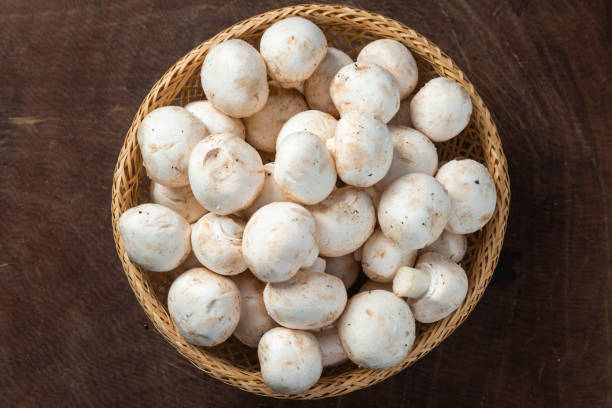
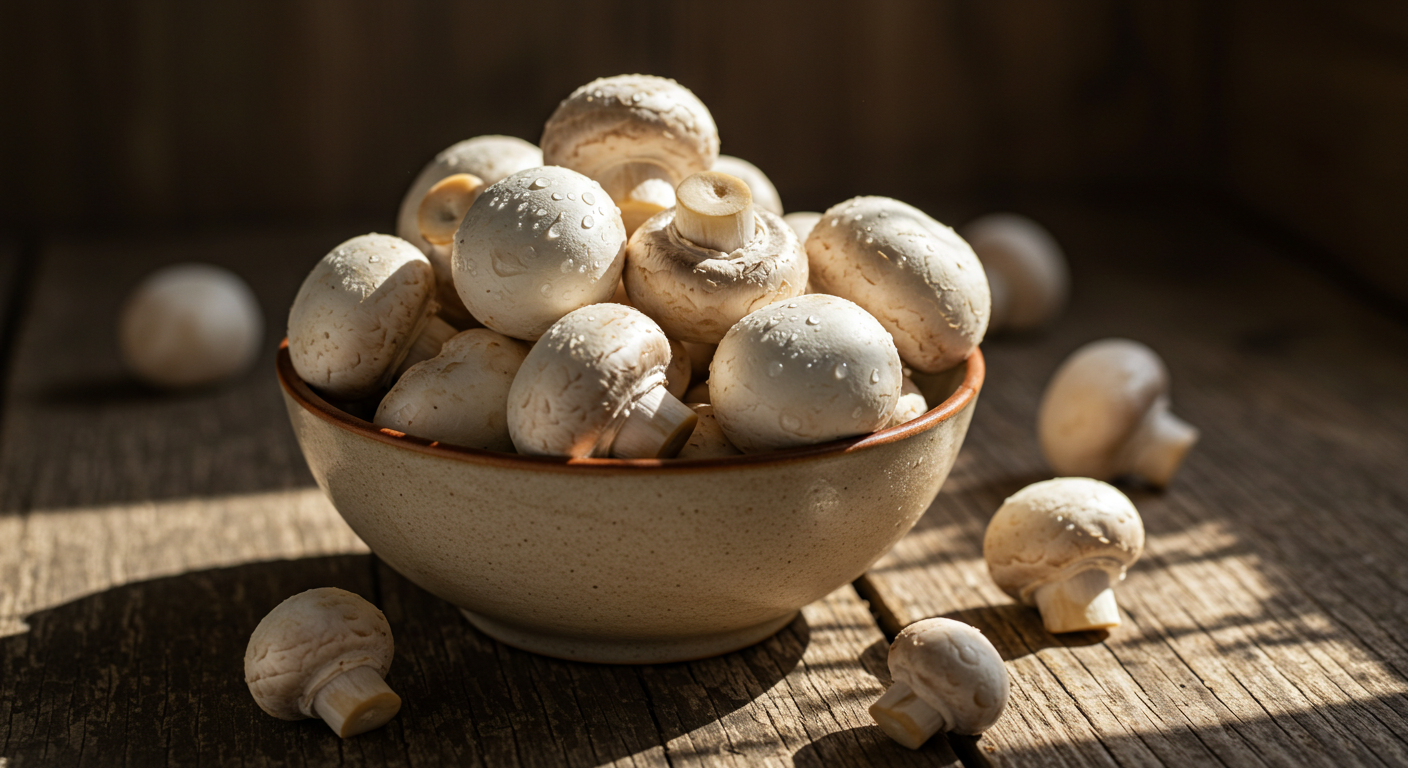
✔ White button mushrooms
✔ Shiitake
✔ Portobello
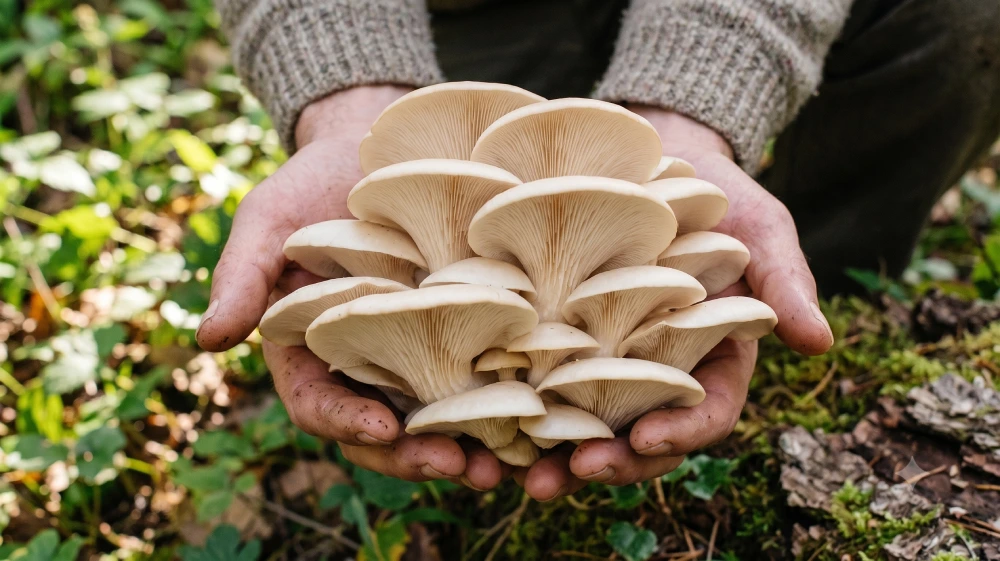
✔ Oyster mushrooms
A button mushroom allergy is one of the most frequently reported simply because white button mushrooms are so widely eaten. An oyster mushroom allergy is also well documented, and oyster mushroom allergy symptoms can include the usual sneezing, itching, and hives, but oyster mushroom growers and handlers sometimes also react to the heavy spore load these mushrooms release.
Interestingly, reactions may not always come from eating mushrooms. Airborne spores from dried or uncooked mushrooms can also trigger symptoms, especially in more severe cases.
Are Medicinal Mushrooms Like Lion’s Mane a Risk?
Yes, they can be. Medicinal and functional mushrooms are still mushrooms, so a lion’s mane allergy is possible, as are reactions to reishi and cordyceps. These show up in powders, capsules, coffees, and wellness tonics, which makes them easy to consume without realising. If you have a known mushroom allergy, treat lion’s mane and other mushroom supplements as off-limits unless your allergist says otherwise.
Mushroom Allergy Symptoms
Mild Symptoms
For many, symptoms begin subtly and can be mistaken for seasonal allergies or mild food intolerances:
✔ Sneezing
✔ Nasal congestion
✔ Itchy eyes
✔ Mild skin rashes or hives
✔ Gastrointestinal discomfort (such as bloating or nausea)
More Severe Reactions
In some cases, an allergic reaction to mushrooms can lead to more serious issues:
✔ Swelling of the lips, tongue, or throat
✔ Difficulty breathing
✔ Wheezing or chest tightness
✔ Anaphylaxis (a rare but life-threatening reaction requiring immediate treatment)
Symptoms of a mushroom allergy usually appear soon after eating or inhaling spores. Any swelling of the throat or trouble breathing is a medical emergency, call 911.
How Common Is a Mushroom Allergy?
Mushroom allergy is uncommon. It is far less frequent than allergies to peanuts, tree nuts, milk, egg, or shellfish, and mushrooms are not classed among the major allergens that food labels are legally required to highlight. Because it is under-studied, there is no reliable figure for exactly how many people are allergic to mushrooms, and most confirmed cases appear in medical reports rather than large population surveys.
That said, “uncommon” does not mean “not real.” People who already react to molds, yeasts, or other fungi, and those exposed to mushrooms often (like chefs, farmers, and food handlers) are the most likely to develop it. So while not many people are allergic to mushrooms overall, it is worth taking seriously if you have the risk factors below.
Who Is at Risk?
You may be more likely to develop a mushroom allergy if you:
✔ Have a family history of food allergies
✔ Are allergic to other fungi, molds, or yeasts
✔ Have been exposed to mushrooms frequently (for example, chefs and food handlers)
Diagnosis: How to Know If You’re Allergic to Mushrooms
If you suspect a mushroom allergy, speak with an allergist rather than trying to work it out alone. A proper mushroom allergy test is the only way to know for sure whether you are allergic to mushrooms. Diagnosis typically involves:
✔ Skin prick tests: A small amount of mushroom extract is applied to your skin to observe for a reaction.
✔ Blood tests: These measure the presence of mushroom-specific IgE antibodies.
✔ Elimination diets: You remove mushrooms from your diet under medical supervision and slowly reintroduce them to test your tolerance.
Never self-diagnose or attempt a mushroom elimination diet without professional guidance, especially if you’ve had strong reactions in the past. Our team can arrange the right allergy testing and interpret the results with you.
Treatment and Management of a Mushroom Allergy
The good news is that mushroom allergies are manageable. Effective mushroom allergy treatment centres on avoidance, label-reading, and having the right medication on hand. Here’s how:
Avoid Mushrooms
It might sound obvious, but complete avoidance is often the most effective strategy. This includes:
✔ Fresh and cooked mushrooms
✔ Mushroom powders in supplements
✔ Mushroom-based broths and seasonings (often used in vegetarian or Asian cuisines)
Read Labels Carefully
Mushrooms can sneak into unexpected places. Always check ingredient lists on:
✔ Sauces
✔ Packaged soups
✔ Plant-based meat alternatives
✔ Health drinks or supplements (especially those with reishi, lion’s mane, or cordyceps)
Carry Medication
For those with a history of strong allergic reactions, an epinephrine auto-injector (like an EpiPen) may be prescribed by your doctor. Antihistamines can also help with milder reactions. If you have ever had a severe reaction, ask about a food allergy treatment and anaphylaxis action plan.
Communicate Your Allergy
When dining out or attending events, don’t hesitate to inform the chef or host about your allergy. Cross-contamination in the kitchen can pose a hidden risk, especially in dishes that use mushroom-based stock.
Treatment and Prevention and Lifestyle Tips
Even if you only have mild symptoms, it’s important to stay proactive:
✔ Keep a food diary to track symptoms after meals.
✔ Ask for detailed ingredient information when ordering food.
✔ Join allergy support groups for community insights and up-to-date research.
✔ Keep your healthcare provider informed about any changes or escalations in your symptoms.
Frequently Asked Questions
Can you be allergic to mushrooms? Yes. A mushroom allergy is real, though uncommon. It can cause sneezing, hives, stomach upset, and, rarely, anaphylaxis, and it can be triggered by eating mushrooms or inhaling their spores.
Can you be allergic to mushrooms?
Yes. A mushroom allergy is real, though uncommon. It can cause sneezing, hives, stomach upset, and, rarely, anaphylaxis, and it can be triggered by eating mushrooms or inhaling their spores.
How common is a mushroom allergy?
It is uncommon and much rarer than peanut, milk, or shellfish allergy. There is no reliable population figure, and mushrooms are not on the list of major labelled allergens. It is most likely in people already sensitive to molds, yeasts, or other fungi.
What are the symptoms of a mushroom allergy?
Mild symptoms include sneezing, nasal congestion, itchy eyes, hives, and bloating or nausea. Severe reactions can involve swelling of the lips or throat, wheezing, difficulty breathing, and anaphylaxis.
What is the difference between a mushroom allergy and a mushroom intolerance?
An allergy is an immune reaction that can be severe. An intolerance is a digestive problem (bloating, gas, cramps, nausea) that is uncomfortable but not life-threatening.
Can you be allergic to lion’s mane or other medicinal mushrooms?
Yes. Lion’s mane, reishi, and cordyceps are still mushrooms and can trigger reactions in people with a mushroom allergy, so supplements and mushroom coffees should be avoided.
Do mushrooms contain nuts, or are they related to a nut allergy?
No. Mushrooms are fungi, not nuts, and are not botanically related to tree nuts or peanuts. A mushroom allergy is separate from a nut allergy, though it is always wise to check labels for cross-contamination in processed foods.
You Might Be Allergic to Mushrooms?
Dr. Amanda Trott-Gregorio, a board-certified Allergist with over 10 years of experience in San Antonio, pinpoints your real trigger so you can eat with confidence again.
Book Your Allergy Consultation Accurate testing • Clear answers • Lasting reliefThink You Might Be Allergic to Mushrooms? Talk to a San Antonio Allergist
Mushroom allergies can feel like an unexpected inconvenience, especially if you enjoy plant-based eating, but they don’t have to control your life. With the right precautions, you can keep a healthy, delicious diet without triggering symptoms.
If you’ve reacted after eating mushrooms, or suspect you’re reacting to airborne spores, don’t wait. The team at Juniper Allergy can confirm the cause with in-office allergy testing and build a personalised plan to keep you safe and symptom-free.
📞 Call us today: (210) 888-1297( 📅 Prefer to book online? Reach out through our contact page.