
Fall Allergies in San Antonio: Common Triggers and How to Find Relief
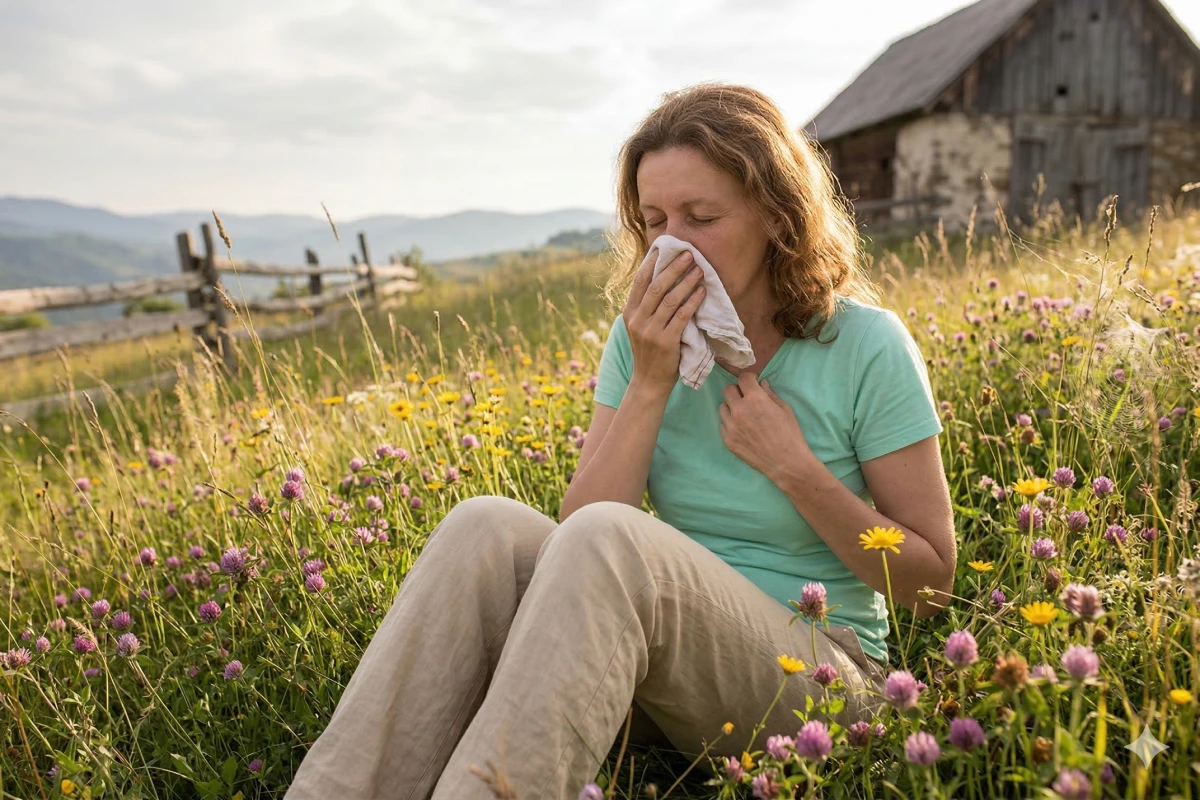
When the first cooler mornings finally reach San Antonio, most people are ready to get outside again. Then the sneezing starts. Fall allergies catch a lot of locals off guard because the weather feels like a break, yet the air is often carrying more allergens than it did all summer.
The tricky part is that fall symptoms rarely come from one source. Pollen, mold and indoor allergens all overlap during these months, which is why the same over-the-counter pill that worked in spring may not do much now. Here is a look at what is usually behind fall flare-ups in San Antonio and what actually helps.
Why Fall Is Hard on San Antonio Allergy Sufferers
Our fall is long, warm and often dry, with bursts of rain in between. That mix is close to ideal for weeds to pollinate and for mold to grow. Add the wind that comes with passing fronts, and allergens get stirred up and carried across town for weeks at a time.
There is also very little rest between seasons here. Weed pollen and mold carry through October and into November, and mountain cedar can start showing up by late November. For many patients, fall is less a single season and more the start of a stretch that runs straight into winter.
The Most Common Fall Triggers
Ragweed and Other Weed Pollens
Ragweed is the biggest name in fall allergies, and it is common across South Texas. Its season usually runs from late August into November, with September and October often the roughest weeks. Other weeds such as pigweed, lamb’s quarters and sagebrush pollinate around the same time, so someone who reacts to ragweed may react to several of them. Our ragweed season guide covers that pollen in more detail.
Outdoor Mold
Mold is the trigger people overlook most. It thrives in damp leaf piles, mulch, compost and soil, and its spores spike after rain followed by warm days, which describes a lot of San Antonio falls. Raking leaves or doing yard work can send a cloud of spores right into your face.
Indoor Triggers When the House Closes Up
As temperatures drop, windows stay shut and the heater kicks on for the first time. That first run often pushes months of settled dust through the vents. Dust mites, pet dander and indoor mold become more concentrated in a closed-up home, so some people actually feel worse indoors than outside.
Is It Allergies or a Fall Cold?
Fall is also when colds start making the rounds, especially once school is back in session. A few clues can help you tell them apart:
- Allergies tend to cause itchy eyes, nose or throat. Colds usually do not.
- Allergy symptoms can last for weeks, while a cold typically clears in about a week to ten days.
- Clear, watery mucus and sneezing fits point toward allergies. Body aches and fever point toward a virus.
- If symptoms flare every year around the same time, that pattern is a strong sign of allergies.
If you are not sure, or your symptoms keep dragging on, it is worth having them checked rather than guessing.

How to Find Relief From Fall Allergies
Find Out What You Are Reacting To
The most useful first step is knowing your actual triggers. Ragweed, mold and dust mites each call for slightly different strategies, and many people are sensitive to more than one. Allergy skin testing in San Antonio can identify your triggers in a single visit, so your plan is based on facts instead of trial and error. For patients who cannot pause antihistamines, blood testing is another option.
Limit Your Exposure
Small changes make a real difference during peak weeks:
- Check the daily pollen and mold counts, and plan outdoor time for days when they are lower.
- Keep windows closed at home and in the car, and set the AC to recirculate.
- Change your HVAC filter before you switch the heat on, and choose a high-efficiency filter.
- Wear a mask for raking, mowing or working with mulch, or hand those jobs to someone else.
- Shower and change clothes after spending time outdoors.
- Wash bedding weekly in hot water and keep indoor humidity in check to slow dust mites and mold.
Use Medications the Right Way
Non-drowsy antihistamines, nasal steroid sprays and antihistamine eye drops all help, but timing matters. Nasal sprays work best when used every day, so starting them early in the season tends to keep symptoms more manageable than waiting until you are already congested. Saline rinses can also clear out pollen after time outside. If you have asthma, fall triggers can tighten your chest, so make sure your inhaler and action plan are up to date. Talk with your doctor before starting a new medication, especially for children or during pregnancy.
Consider Long-Term Treatment
If you are reaching for medication every fall and still feeling miserable, immunotherapy may be worth discussing. Allergy shots and allergy drops gradually train your immune system to tolerate specific allergens such as ragweed, mold or dust mites. Instead of only treating symptoms, this approach works on the allergy itself, which can lead to easier seasons over time.
When to See an Allergist
Make an appointment if store-bought remedies are no longer enough, if fall keeps turning into sinus infections, if your asthma flares as the seasons change, or if symptoms are affecting your sleep, work or your child’s school days.
At Juniper Allergy, Dr. Amanda Trott-Gregorio is a board-certified allergist and immunologist who grew up in South Texas and has spent more than a decade treating patients in San Antonio. She takes time to listen to your history, confirms what is really causing your symptoms, and then walks you through every treatment option in plain language so you can choose what fits your life.
Get Relief This Fall
You do not have to wait out fall allergies, then move straight into cedar season feeling worn down. Juniper Allergy in Stone Oak treats adults and children with seasonal and environmental allergies, asthma and related conditions, and works with most major insurance plans. Book an appointment with Juniper Allergy or call (210) 888-1297 to get tested and start feeling better this season.