
Can Allergies Cause Ear Pressure?
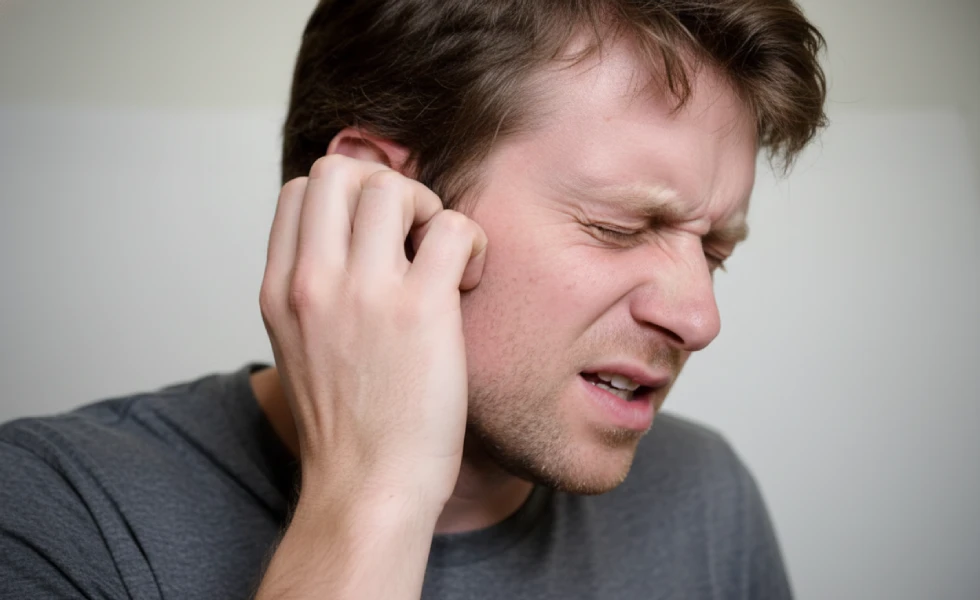
Ever felt your ears clog up during allergy season and wondered if it is more than congestion? That stubborn pressure, especially when it shows up alongside sneezing or itchy eyes, can turn into an everyday frustration that many people simply ignore.
The truth is that allergies can affect far more than your nose. They can trap fluid, block the tiny tubes in your ears, and create that tight, muted sensation that refuses to go away. For some, it also leads to headaches, dizziness, and the kind of irritation that disrupts sleep and concentration.
If you or your child is dealing with these uncomfortable symptoms, you are not alone. It can be draining to manage them on your own. At Juniper Allergy, we help San Antonio families identify the triggers behind these issues and treat them with care, accuracy, and genuine support.
How Allergies Affect the Ears
Pressure in the ears that shows up right as allergy season kicks in isn’t a random coincidence – it’s closely linked. Allergies can irritate the nasal passages and nearby structures, including the tubes that manage airflow and pressure in the ears. That fluttering fullness or muffled sensation has a source, and it’s often right behind your nose.
At Juniper Allergy, we’ve walked countless San Antonio patients through the process of identifying what’s triggering it and helping them breathe – and hear – easier.
Role of the Eustachian Tube in Ear Pressure
This narrow tube helps your ears balance pressure, especially when changing altitude or fighting off a cold. But when allergies inflame it, everything gets thrown off. If the tube swells shut or narrows from irritation, air can’t move freely. That stuck feeling, the muffling, or even popping sounds – those are signs this simple mechanism isn’t working as it should.
Typical Symptoms of Allergy-Related Ear Issues
The discomfort sneaks in gently – like fullness in the ears or muffled ability to hear. Sometimes it’s a sharp pop when you swallow or yawn. Other common signs include itching inside the ear, fluid-like sensations, or even brief pain. These reactions don’t just disrupt sound – they make focusing and resting harder too.
Common Allergens That Can Trigger Ear Pressure
If ears flare up after dusting furniture or petting the dog, allergens are likely behind it. Everyday triggers like dust mites, pollen, pet dander, or mold can feel invisible but provoke strong reactions. For many in San Antonio, trouble peaks during cedar or oak seasons. That’s where our local knowledge comes into play at Juniper Allergy – knowing how regional allergens behave makes all the difference.
Types of Allergic Reactions Leading to Ear Problems
Reactions aren’t limited to just sneezing. Nasal allergies such as allergic rhinitis interfere with nearby ear functions. Many people underestimate how much certain foods, particularly dairy, can contribute to facial congestion and pressure. We evaluate suspected food or environmental triggers in detail to find the root issue, not just the symptoms.
Common Conditions Related to Allergy-Induced Ear Pressure
When allergies continue unchecked, the outcome can be more complicated than just stuffy sinuses. Ears face their own cascade of issues – from functional blocks to infections – and knowing the difference is crucial for lasting relief.
Eustachian Tube Dysfunction
Swelling from allergens can trap air and create a suction-like sensation inside your ears. It may feel similar to sinus pressure or even like being under water. Unlike sinus problems, this issue comes from blocked airflow where your ear connects to your throat. It is one of the most common concerns we check during patient visits at Juniper Allergy.
Otitis Media with Effusion
Inflamed passages can block normal fluid drainage, pooling liquid in the middle ear. This form of ear discomfort often slips by undetected because it doesn’t cause fever or visible symptoms. We work carefully to detect this early, because fluid buildup can impact balance or lead to deeper infections without proper care.
Inner Ear Imbalance and Dizziness
When allergies stress the inner ear, the intricate structures used to help with balance falter. You might feel wobbly walking through a room or dizzy standing up too fast. These vertigo-like moments shouldn’t be brushed off – they’re telling signs of inflammation deep within auditory pathways linked to allergies.
Tinnitus and Ringing in the Ear
Congestion and inflammation can amplify sounds in a way that causes distracting ringing. The pulsing, buzzing, or high-pitched sounds typically spike during allergy flares. For some, this symptom gets worse at night when there are fewer external noises to mask it. It’s another subtle way allergies interfere with everyday comfort.
When Allergy Season Triggers Ear Symptoms
Seasonal changes aren’t just about pollen counts – they’re often the launchpad for sore, stuffy ears too. Knowing the connection helps you plan better as allergy peaks approach. And in San Antonio, that knowledge gives you a head start.
Seasons and Allergic Response Patterns
Spring and fall usually bring a rise in pollen, and with it, an increase in ear pressure and discomfort. Beyond just sneezing or itchy skin, hay fever actively affects your ears. It’s during these stretches that we often see a spike in calls at Juniper Allergy – timing is everything with seasonal ear flare-ups.
Individuals Most Susceptible to Allergic Ear Pressure
Those with a history of allergy attacks or chronic sinus conditions are more likely to notice ear involvement. Children, in particular, face higher risks due to narrower ear tubes. Folks with asthma may also see overlapping symptoms, especially during allergy peaks. We make sure to screen thoroughly for each risk factor in our assessments.
Ear Pressure from Airborne Allergens
The air you breathe has everything to do with how your ears feel. Pollutants like smoke or pollen swirl into the nasal passages and cause swelling quickly. Even shifts in outdoor humidity can intensify blockage. As we guide patients at Juniper Allergy, adjusting your space or routes can often bring surprising relief.

Treatment and Relief for Allergy-Induced Ear Pressure
Clearer hearing and fewer flares often begin with the right mixture of remedies, habits, and medical guidance. Once you understand the symptoms and triggers, treatment becomes far more than guesswork – it becomes effective.
Over-the-Counter and Home Remedies
Antihistamines reduce allergic swelling, while decongestants help air and fluid move freely. Saline nasal sprays keep sinuses from clogging up. Steam showers or warm compresses placed over the ears may also help ease drainage. We often recommend these safe techniques before advancing to prescription steps.
Lifestyle Adjustments to Minimize Symptoms
Cleaning air filters and avoiding pets in bedrooms can sharply reduce allergens indoors. Wearing a mask on high pollen days lets you control exposure. We also coach patients on setting up allergen-free zones in the home – spaces where ears and lungs can finally rest.
Medical Treatments and ENT Consultation
If symptoms persist or worsen, we may suggest further allergy testing or an ENT referral. For some, long-term ear pressure may require in-office procedures like tube placements to improve fluid drainage. At Juniper Allergy, we explain each step clearly so you feel prepared before making care decisions.
Preventive Measures to Avoid Future Flare-ups
Managing allergies early prevents ear symptoms from ever appearing. Custom allergy shots or drops offer steady relief by desensitizing your immune system. We’ve seen these long-term strategies help patients regain control over their health, especially during peak pollen seasons.
When Your Ears Feel Like They’re Stuffed With Cotton
It is not just in your head. Those muffled sounds, dull pressure, and sudden pops are often more than a small annoyance. When allergies flare, your ears can be affected too, adding extra discomfort to an already frustrating situation.
That clogged, underwater feeling has a cause. The same response that leads to sneezing and congestion can involve your ears as well. Allergies can influence how your ears function, and pressure is a common sign of that reaction.
At Juniper Allergy, we help patients understand these connections so they no longer feel confused or uncertain about what is happening. If ear pressure has become part of your allergy symptoms, we are here with clear guidance and support.
Book your visit today.