Do Allergies Make Lymph Nodes Swell? What San Antonio Residents Need to Know

You’re dealing with typical allergy symptoms like sneezing and congestion, but now you’ve noticed something different. There’s a small lump under your jaw or on your neck, and it’s making you wonder if your allergies are to blame.
It’s a question many San Antonio residents ask, especially during our intense pollen seasons. At Juniper Allergy, our allergists in san antonio helps patients understand the connection between allergies and swollen lymph nodes, and more importantly, when to seek professional care.
Understanding Lymph Nodes and Their Role
Lymph nodes are small, bean-shaped structures that act as filters for your immune system. You have hundreds of them throughout your body, but the ones you’re most likely to notice are located in your neck, under your jaw, behind your ears, and under your arms.
These tiny guardians work around the clock, filtering out viruses, bacteria, and other harmful substances from your lymph fluid. When they detect a threat, they produce more immune cells to fight off the invader. This increased activity causes them to swell, which is why you might notice enlarged lymph nodes when you have a cold or infection.
Can Allergies Actually Cause Swollen Lymph Nodes?
The short answer is complicated. While it’s possible for allergies to cause swollen lymph nodes, it’s not common.
When you have an allergic reaction, your immune system releases histamines and other inflammatory chemicals in response to harmless substances like pollen, pet dander, or dust. This immune response typically causes symptoms like sneezing, watery eyes, and nasal congestion.
In some cases, particularly with severe allergic reactions or chronic allergen exposure, the heightened immune activity can cause nearby lymph nodes to swell slightly. The lymphatic system works overtime to process allergens and remove cellular waste, leading to temporary enlargement.
This happens more often in children or individuals with very severe allergies. For most people experiencing typical seasonal allergies in San Antonio, swollen lymph nodes are not a primary symptom.
The More Likely Culprit: Secondary Infections
If you’re experiencing allergy symptoms and notice swollen lymph nodes, the real cause is often a secondary infection rather than the allergies themselves.
People with allergies are more prone to developing complications like sinus infections, ear infections, or upper respiratory infections. When your sinuses become inflamed and clogged because of allergies, they create the perfect environment for bacteria to thrive. These secondary infections are what typically cause your lymph nodes to swell as they work to fight off the actual infection.
At Juniper Allergy, we frequently see patients who initially thought their swollen lymph nodes were just part of their allergies, only to discover they had developed sinusitis or another secondary condition that needed treatment.
When Allergies and Swollen Glands Overlap
There are specific scenarios where allergies can contribute to lymph node swelling:
🗹 Severe Allergic Reactions:
Intense allergic responses that cause significant inflammation throughout the body may trigger lymph node enlargement in the affected areas. If you’ve experienced severe reactions, comprehensive allergy testing can identify your specific triggers and help prevent future episodes.
🗹 Food Allergies:
Unlike seasonal allergies, certain food allergies can cause whole-body inflammation that may include swollen lymph nodes as part of a broader allergic reaction. Food allergy testing is essential if you’ve noticed swelling after eating specific foods, particularly common triggers like shellfish, nuts, or dairy.
For patients with suspected food allergies who need definitive answers, an oral food challenge test conducted under medical supervision provides the most accurate diagnosis. This controlled testing environment ensures your safety while determining whether specific foods are truly causing your symptoms.
🗹 Chronic Allergen Exposure:
Long-term, continuous exposure to allergens can keep your immune system in a heightened state, potentially leading to persistent mild swelling in lymph nodes. If you’re dealing with year-round symptoms from pet allergies or other environmental triggers, identifying and managing these allergens becomes crucial.
The Role of Environmental Allergies
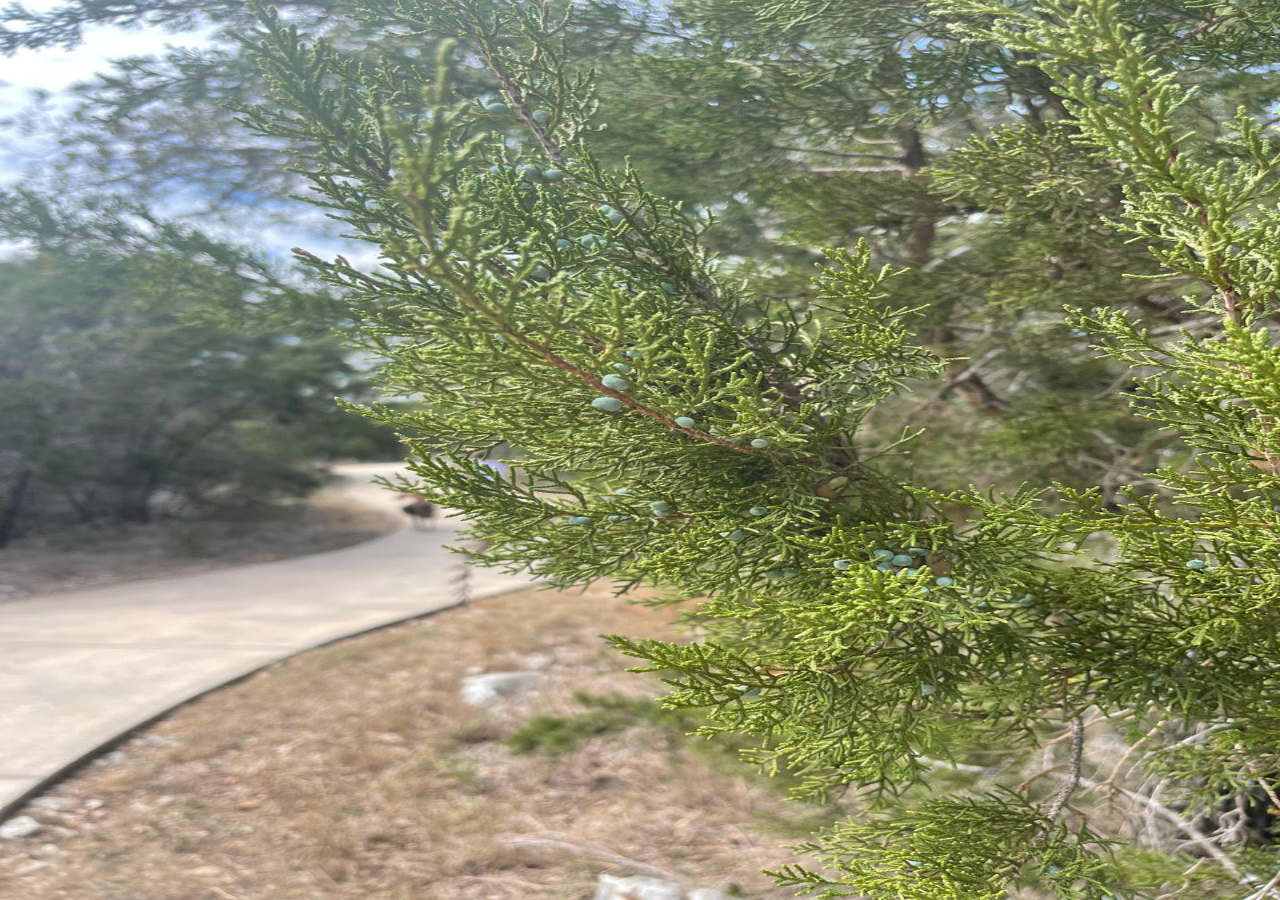
Living in San Antonio means exposure to allergens nearly year-round. Cedar pollen in winter, oak in spring, grass in summer, and ragweed in fall can keep your immune system constantly activated. This ongoing battle can sometimes lead to inflammation that affects your lymph nodes.
Understanding exactly which environmental allergens trigger your symptoms is the first step toward effective management. Skin testing remains the gold standard for identifying environmental allergies, providing quick and reliable results that guide your treatment plan.
For patients who cannot undergo skin testing due to medications or skin conditions, blood testing offers an equally effective alternative for identifying your specific allergen triggers.
Respiratory Complications and Lymph Node Swelling
If you have asthma alongside your allergies, you may be more susceptible to respiratory infections that cause lymph node swelling. The combination of allergic inflammation and asthma-related airway issues creates vulnerability to secondary infections.
Asthma and COPD testing can help determine if underlying respiratory conditions are contributing to your recurring infections and swollen lymph nodes. Proper management of both conditions reduces your risk of complications.
How to Tell If It’s Allergies or Something Else
Knowing the difference between allergy-related symptoms and signs of infection can help you determine when to seek medical care:
🗹 Duration:
Allergy-related lymph node swelling typically subsides once you reduce exposure to the allergen or begin treatment. If swelling lasts more than two weeks, it may signal an infection.
🗹 Pain Level:
Lymph nodes swollen from allergies are usually not tender to the touch. If pressing on them causes pain, this often suggests an infection.
🗹 Additional Symptoms:
Fever, significant fatigue, night sweats, or a persistent sore throat alongside swollen lymph nodes point toward an infection rather than allergies alone.
🗹 Location and Pattern:
Allergy-related swelling tends to be mild and symmetrical (affecting both sides of the neck equally). Infection-related swelling is often more pronounced and may be localized to one side.
Finding Relief and Proper Treatment
If you’re struggling with allergy symptoms and swollen lymph nodes in San Antonio, proper diagnosis and treatment are necessary. At Juniper Allergy, Dr. Amanda Trott-Gregorio takes a comprehensive approach to identify the root cause of your symptoms.
Our comprehensive allergy testing services can pinpoint exactly what’s triggering your reactions, whether it’s oak pollen, dust mites, pet dander, or other common San Antonio allergens. From there, we develop a personalized treatment plan that addresses your specific needs.
Long-Term Solutions Through Immunotherapy
Managing your allergies effectively not only reduces symptoms like sneezing and congestion but also decreases your risk of developing secondary infections that could lead to swollen lymph nodes.
Allergy shots (subcutaneous immunotherapy) offer long-term relief by gradually training your immune system to tolerate allergens. By addressing the root cause rather than just masking symptoms, immunotherapy can significantly reduce your overall immune system burden and decrease the likelihood of complications like recurrent infections.
For patients who prefer a needle-free option, sublingual allergy drops provide the same immune system benefits with the convenience of at-home administration. This can be particularly appealing if you have concerns about frequent clinic visits or needle anxiety.
If you’re looking for faster results, cluster immunotherapy accelerates the traditional treatment schedule, helping you reach maintenance levels more quickly and potentially reducing your symptoms and infection risk sooner.
Advanced Treatment Options
For patients with severe allergies that contribute to chronic inflammation and recurrent infections, biologic medications may be recommended. These cutting-edge therapies target specific immune pathways, potentially reducing the overall inflammatory burden that could contribute to lymph node swelling.
When to Seek Immediate Medical Attention
While most cases of swollen lymph nodes alongside allergies are not emergencies, certain symptoms warrant immediate medical evaluation:
- Lymph nodes that are rapidly growing or feel hard and immovable
- Swelling accompanied by high fever (over 101°F)
- Difficulty breathing or swallowing
- Lymph nodes that remain swollen for more than two weeks without improvement
- Night sweats or unexplained weight loss
- Multiple areas of lymph node swelling throughout your body
Take Control of Your Allergy Symptoms Today
If you’ve noticed swollen lymph nodes along with your allergy symptoms, don’t ignore them. While allergies alone rarely cause significant lymph node swelling, knowing what’s happening in your body is the first step toward relief.
At Juniper Allergy in San Antonio, we’re committed to helping you breathe easier and live more comfortably. Our comprehensive approach includes identifying your specific allergen triggers, developing personalized treatment plans, and monitoring for complications that could impact your health.
Schedule a consultation with Dr. Amanda Trott-Gregorio today by calling (210) 888-1297. Let’s work together to identify your triggers, manage your symptoms, and prevent complications before they start.